The Debt Tracker Log Book KDP Interior: A Tool for Entrepreneurs and Self-Publishers
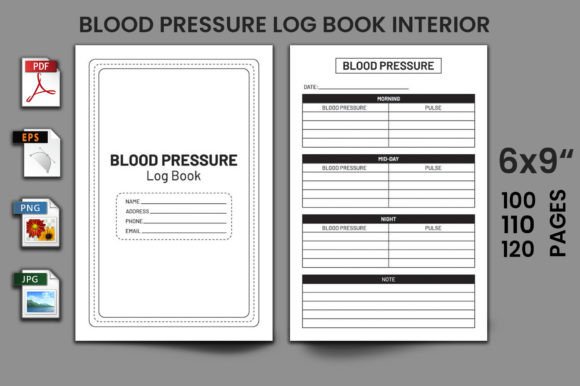
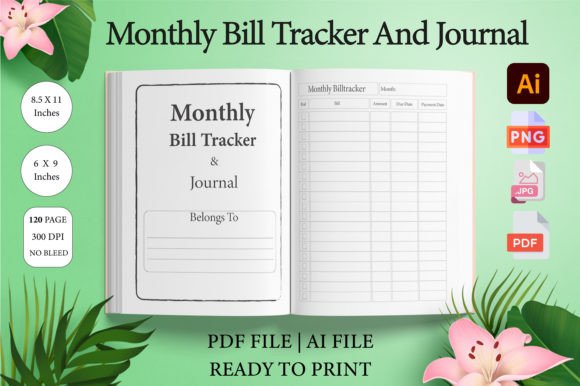
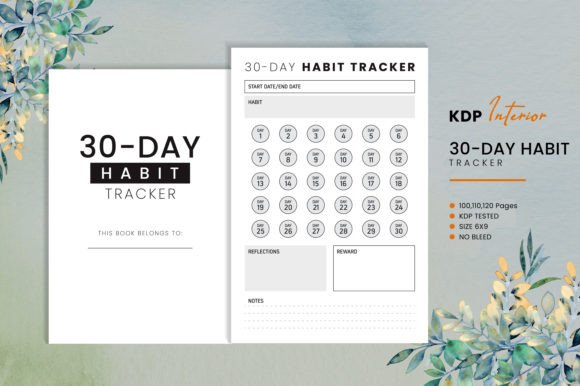
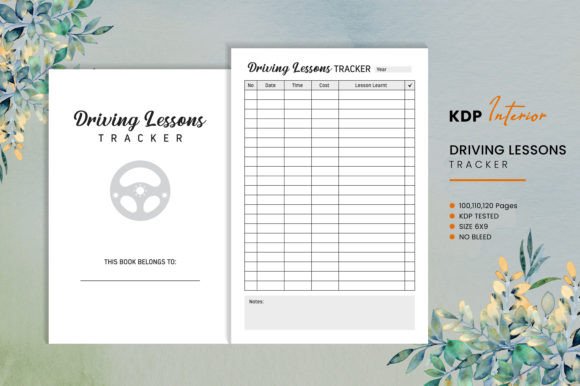
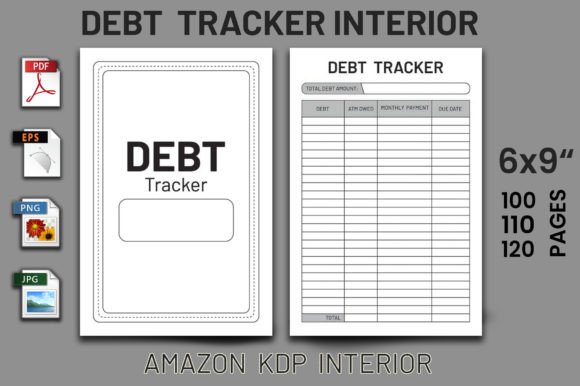
If you're involved in the world of self-publishing or looking to create a simple, profitable product on platforms like Amazon KDP, you've likely encountered the term "KDP Interior." Specifically, a Debt Tracker- KDP Interior is a pre-designed, formatted template used to create a physical log book for tracking debts. It's not the finished book itself, but the professional skeleton inside it—the layout, the pages, the structure—all ready for you to publish.
Think of it like buying a perfectly measured and cut frame for a house instead of figuring out the blueprints yourself. This interior comes as a PDF file, tested and guaranteed to meet Amazon's stringent printing requirements for a 6"x9" trim size, with options for 100, 110, or 120 pages. It's a product designed for a very specific real-world situation: entrepreneurs who want to create a tangible, useful tool for others without the hassle of complex design work.
Who Actually Uses a Debt Tracker Interior and Why?
The primary user isn't necessarily someone struggling with debt. Instead, it's the creator, the publisher, the small business owner. Let's explore a few scenarios.
A freelance graphic designer might have skills but lacks a recurring product to sell. They purchase this Debt Tracker- KDP Interior, add a custom cover using their design skills, and upload it to Amazon KDP. Within days, they have a physical book for sale globally, turning their design service into a tangible product line. It’s a diversification of their income.
The "Low-Content" Publishing Model
Many savvy individuals are building micro-businesses around "low-content" or "no-content" books. Journals, planners, logbooks, and trackers fill a massive market niche. People crave organization tools. A debt tracker log book serves a very practical emotional and financial need—giving someone a dedicated, private place to document amounts, creditors, and payment plans. The publisher using this interior taps into that need without writing a novel. They provide the vessel, and the customer fills it with their personal information.
Another scenario involves a financial coach or blogger. They already offer advice on managing money and getting out of debt. By creating a branded Debt Tracker Log Book using this ready-made interior, they create a companion product. It enhances their authority, provides added value to their clients, and becomes a new revenue stream separate from consulting hours. It turns their theoretical advice into a practical, physical tool.
Practical Considerations Before Using a KDP Interior
The description states the file is "100 formatted and tested for KDP," which is crucial. Amazon's Kindle Direct Publishing platform has very specific technical requirements for bleed, margins, and trim size. A file that hasn't been tested can lead to rejected uploads, printing errors, and customer complaints. Using a pre-tested interior removes that immense technical barrier.
You must also consider your own role. Are you just a uploader, or a customizer? The package includes source files (like EPS, PNG, JPG) for customization. This means if you want to change the font, adjust the layout of the tracking tables, or add a motivational quote on each page, you have the ability to do so. If you have no design software or skills, you can simply use the PDF as-is. This flexibility supports different levels of user expertise.
A key observation: the market for such books is vast, but competitive. The interior gives you a professional starting point, but your success will hinge on your cover design, your book title, your keywords, and how you market it. The interior is the engine; you still need to build the attractive car body and drive it to the right audience.
The Strengths and Potential Limitations in Real Application
The clear strength of this specific Debt Tracker- KDP Interior is its readiness. It’s a "plug-and-play" solution for entering the KDP physical book market. The high-quality print-ready PDF ensures the final product looks crisp and professional, which is vital for customer satisfaction. It also allows for rapid deployment. You can go from purchase to a live Amazon listing in a matter of hours, testing market response quickly.
From a user-benefit perspective, it democratizes publishing. Someone with no background in graphic design or print logistics can still create a valuable product. It empowers small-scale entrepreneurship.
However, a potential limitation lies in its specificity. It is a debt tracker. While that’s a focused and useful tool, your audience is narrowed to those interested in financial management. You aren't getting a generic journal interior. This is fine if you understand that niche. Also, while source files are included for customization, making significant alterations requires design knowledge. Without it, you might be locked into the provided layout, which could be a constraint if you envision a radically different tracking method.
Beyond Debt: The Versatility of the Log Book Concept
Interestingly, the use of a debt tracker log book interior can inspire other ideas. Observing this product might lead a publisher to think, "What other aspects of life need a dedicated tracking log?" This interior serves as a case study. It could spark the creation of custom interiors for habit trackers, fitness progress logs, business expense trackers, or medication journals. The template provides a framework for structured, repeated entry pages—a concept applicable to dozens of life areas.
For the end-user—the customer who buys the finished book from Amazon—the benefit is clarity and commitment. Writing down debts in a dedicated book, rather than on scattered notes or digital files, can create a psychological sense of order and a tangible goal. The publisher, by using this Debt Tracker- KDP Interior, facilitates that experience indirectly. They are providing a tool for focus and accountability, which is a powerful product purpose beyond mere paper and ink.
In the broader industry of self-publishing, products like this represent a shift towards modular creation. Instead of every publisher reinventing the wheel for page layout, they can use reliable, tested components and focus their energy on branding, marketing, and customer outreach. This efficiency is what makes such interiors so valuable in a practical, experience-oriented business model. Whether you're a solo entrepreneur looking for a first product, a content creator expanding your brand, or a designer streamlining your workflow, this interior turns the complex idea of "publishing a book" into a simple, actionable task.