The Cocktail Drink Recipe Journal: Your Passport to KDP Success
In the bustling world of Amazon KDP publishing, a clear, simple idea often has the most powerful appeal. For creators looking to build a streamlined business, the concept of a Cocktail Drink Recipe Journal KDP interior represents a perfect intersection of market demand and practical workflow. It speaks directly to the growing community of home bartenders, cocktail enthusiasts, and social hosts, providing them with a dedicated, beautifully formatted space to document their discoveries and creations.
The Rise of At-Home Mixology and the Need for Documentation
Recent lifestyle shifts have transformed our homes into hubs for creativity and entertainment. The art of mixology has moved from the professional bar into the living room and kitchen. Whether it’s mastering a classic Old Fashioned, experimenting with seasonal infusions, or inventing a signature drink for a gathering, this practice is more popular than ever. Yet, this creative process often lacks organization. Scattered notes on phone apps, faded scribbles on napkins, and forgotten ingredient ratios are common frustrations for enthusiasts.
A dedicated journal solves this problem elegantly. It provides a tangible, structured repository for recipes, tasting notes, guest feedback, and sourcing information. This shift from digital ephemera to physical documentation aligns with a broader trend of seeking more mindful, hands-on engagement with our hobbies. For the user, it becomes a personal reference book and a record of their journey. For the KDP publisher, it fulfills a specific, growing need within a passionate niche.
Understanding the KDP Interior as a Business Asset
The phrase Cocktail Drink Recipe Journal KDP refers specifically to a pre-designed, formatted interior file ready for publication on Amazon’s Kindle Direct Publishing platform. This is not a physical product you sell yourself, but a digital asset you upload to KDP, which then handles printing and distribution on demand. The value proposition for the publisher is efficiency. Instead of spending hours designing page layouts, margins, and typography for a low or mid-content book, you acquire a professionally crafted template.
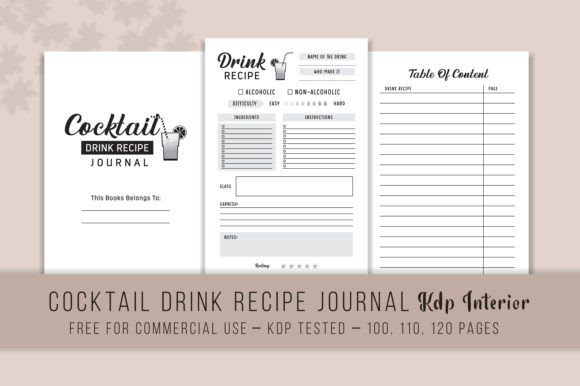
This interior typically includes structured pages for recording the drink's name, ingredients, measurements, instructions, glass type, garnish, and personal notes on flavor and occasion. A well-designed journal goes beyond mere lines and boxes; it considers the user experience, offering logical sections and a visually pleasing layout that encourages use. By starting with such a template, you bypass the significant technical and design hurdles that can stall new publishers, allowing you to focus on marketing and business growth.
How a Quality Interior Streamlines Your Publishing Workflow
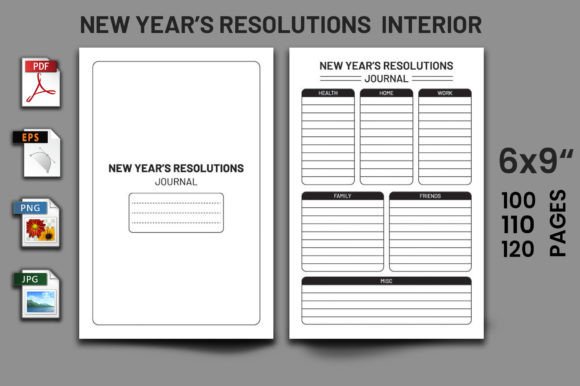
Consider the typical specifications for a robust Cocktail Drink Recipe Journal KDP interior. You receive a ready-to-upload PDF file, ensuring compatibility with KDP's upload system. The inclusion of a source EPS file offers flexibility for advanced creators who might wish to make minor adjustments. Crucial technical details like a defined trim size of 6 x 9 inches and a without bleed designation mean the file is correctly formatted for standard paperback printing.
Options for 100, 110, or 120 pages allow you to choose the right value point for your market. High-resolution interiors guarantee a crisp, professional print result. Most importantly, a KDP tested note confirms the file has been validated against platform requirements, drastically reducing the risk of upload errors or print-quality issues. This bundle of assets translates directly to saved time, reduced stress, and a faster path from idea to live product.
Aligning with Modern Creator Economics
The appeal of low and mid-content books on KDP is rooted in realistic modern business needs. For entrepreneurs, freelancers, and side-hustle creators, time is the most constrained resource. Developing a full-length novel or complex textbook requires immense effort. Low-content items, like journals, planners, and logbooks, offer a viable entry point or a scalable product line. They address specific, recurring needs without requiring the creator to be the primary content expert.
A Cocktail Drink Recipe Journal fits perfectly into this model. You are providing a tool, not authoring the recipes. Your customer fills the pages with their own content. This shifts the value proposition from what you wrote to what you designed and enabled. It caters to professionals looking to diversify their income, hobbyists exploring a creative business, and marketers seeking products with evergreen appeal. The product serves a functional purpose in the user's life, making it more likely to be purchased and recommended.
Practical Implications for the Publisher and the User
For the publisher, the practical steps are clear. After sourcing a reliable interior, you focus on crafting a compelling book title and description, researching effective keywords on Amazon, and designing a cover that captures the spirit of mixology. The journal interior itself is the foundational engine of the product. For the end user, the implications are equally tangible. They gain a single, organized place to consolidate their cocktail knowledge.
This organization has real benefits. It improves the consistency of their drink-making, allows them to track modifications and successes, and creates a personal heirloom of their culinary adventures. It can be used for planning parties, managing a home bar inventory, or even as a gift for a fellow enthusiast. The journal bridges the digital and physical worlds, offering the permanence of paper and the structure of an app, but without screens or notifications.
Building a Sustainable Product in a Crowded Market
Success on KDP requires differentiation. While many journals exist, a Cocktail Drink Recipe Journal that is thoughtfully tailored to its niche can stand out. Consider including pages for recording liquor purchases, rating systems for sweetness or bitterness, or sections for pairing cocktails with meals or music. Observing how enthusiasts actually use their notes can inform subtle improvements in template design.
Your role as the publisher is to understand this audience deeply and present the journal as the solution to their documentation problem. Marketing should speak to the joy of discovery and the pride of curation. Highlighting the quality of the print, the clarity of the layout, and the ease of use will resonate more than generic claims. This grounded, useful approach builds trust and aligns with Google’s E-E-A-T principles—demonstrating Experience, Expertise, Authoritativeness, and Trustworthiness through a product that genuinely serves its purpose.
The evolution of KDP publishing continues towards greater specialization and quality. A Cocktail Drink Recipe Journal KDP interior is more than just a set of pages; it is a well-defined tool for a specific community. By leveraging a pre-designed, tested interior, creators can efficiently launch a product that meets a real need, enhances a popular hobby, and builds a foundation for a sustainable low-content business. It saves time, reduces technical barriers, and ultimately makes the process of publishing not just easier, but more enjoyable and focused on what matters: connecting with your audience.