Project Tracker2: Your Digital Blueprint for Organized Success
In the whirlwind of daily tasks, side hustles, and creative ventures, keeping track of progress can feel like an extra job itself. That's where a tool like Project Tracker2 shifts from being a simple document to becoming a central command center for your ideas. It’s a structured, print-ready template designed to move your projects from fuzzy concepts to finished accomplishments.
What Project Tracker2 Actually Is
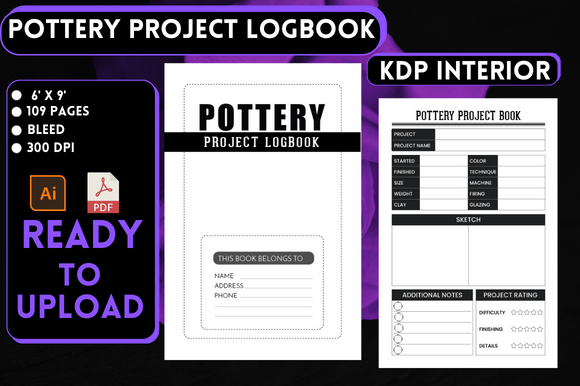
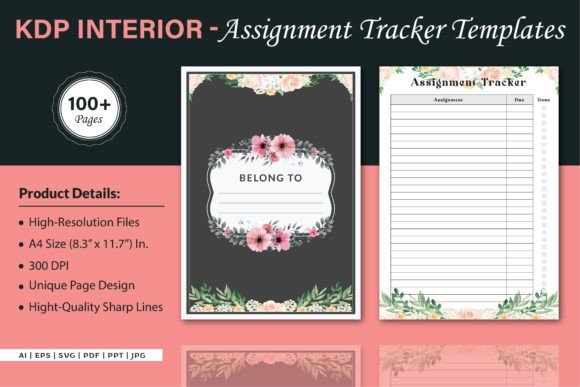
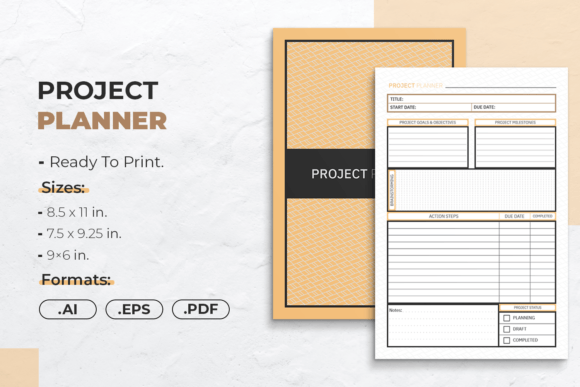
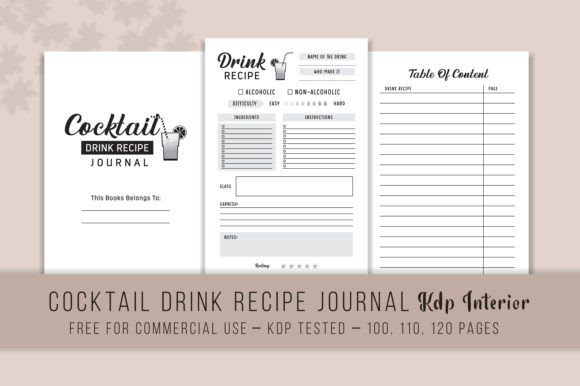
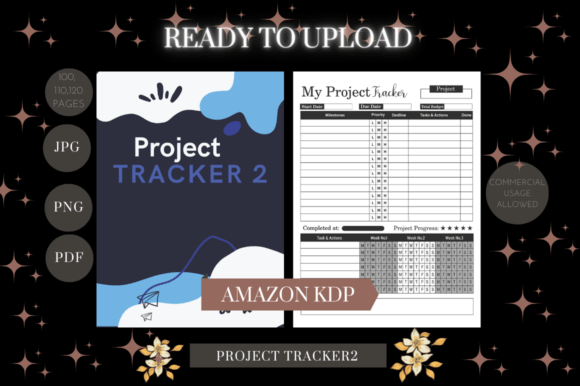
Think of Project Tracker2 not as a software, but as a physical or digital framework. It’s a high-quality, print-ready PDF template system, pre-formatted for ease. The package typically includes six books, each with 100, 110, or 120 pages, all set to standard dimensions of 8.5" x 11" inches. These are tested for platforms like Amazon KDP (Kindle Direct Publishing), meaning they are "No Bleed" ready—a technical term assuring the content fits perfectly within the page margins for professional printing. This isn’t just a single file; it’s a versatile suite ready for immediate use.
The Real-World Scenarios Where It Becomes Essential
Its utility shines brightest when we move away from abstract features and into the messy, real situations people face every day.
For the solopreneur or content creator, juggling client work, product development, and marketing is a constant balancing act. A Project Tracker2 book becomes the dedicated log for a single major offering—like launching a new online course. You can map out each module's creation, track resource collection, note deadlines for video edits, and monitor feedback from beta testers, all in one sequentially numbered place. It turns a chaotic process into a visible, linear progression.
In a small team or family collaborative project, such as planning a community event or renovating a home, having a single shared reference point is crucial. One book can serve as the master plan. Sections can be delegated: one person tracks vendor contacts and costs, another manages the schedule timeline, and a third logs material purchases. The uniform format ensures everyone's updates are structured similarly, reducing miscommunication and creating a unified project history.
Students and researchers tackling lengthy capstone projects or thesis work often struggle with organizing notes, sources, and chapter drafts across scattered digital files. Using a Project Tracker2 volume as a physical companion allows for dedicated, chronological logging of research milestones, interview notes, draft revisions, and submission checkpoints. The act of writing in it can provide a tangible sense of advancement that a fragmented digital folder sometimes lacks.
How Different Users Extract Unique Value
The benefit of a flexible system like Project Tracker2 is that it adapts to the user’s primary need.
The visual organizer might use it primarily for sketching quick wireframes, drawing progress charts, or mood boards directly onto its pages, treating it as a hybrid sketchbook-logbook. The clean, uniform pages provide a consistent canvas.
The data-driven planner will leverage its structured pages to create custom tables for budget tracking, milestone metrics, and resource allocation, turning the book into a calculated ledger of project health.
The creative writer working on a novel or script might use one book to track character development arcs, another to manage chapter outlines, and a third to log submission queries to publishers, applying project management discipline to a creative process.
The common thread is centralization. It reduces the cognitive load of switching between dozens of apps, notes, and scraps of paper.
Practical Considerations Before You Begin
Adopting any new system requires a little forethought. First, consider your medium preference. These are print-ready PDFs. Do you intend to print them physically for a hands-on, tactile experience, or use them digitally on a tablet or note-taking app? The "No Bleed" design ensures they work beautifully for both.
Next, scope your project. With multiple books available, you can allocate one book per project, or use separate books for different phases of a mega-project—like "Planning," "Execution," and "Review." The varying page counts (100, 110, 120) allow you to choose based on the project's expected complexity and duration.
Also, think about integration. Project Tracker2 is a superb capture tool, but how will it feed into your existing digital ecosystem? You might decide to review your handwritten notes weekly and transfer key insights or updated deadlines into a digital calendar. It's best used as the primary capture point, not necessarily as an isolated silo.
Observing Common Strengths and a Natural Limitation
The most evident strength is the elimination of format anxiety. You aren’t starting from a blank page, designing tables, or worrying about layout. You’re starting from a professional, ready-to-go baseline, which saves immense initial time and effort. The inclusion of six books also offers longevity; it’s a resource that can serve multiple projects over a long period.
Another strength is its platform-ready nature. For those looking to publish or share their methods, having a tested, KDP-compatible format means these logs could, themselves, be part of a future product or case study shared on platforms like Amazon.
A natural limitation to acknowledge is its static structure. While incredibly versatile, it is a template. It won’t automatically sync data, send reminder alerts, or generate graphs like dynamic software might. Its power is in your engagement with it. The value is created by your consistent input and review. It’s a tool for mindful, active management, not passive automation.
Beyond Business: Unconventional Applications
The use cases extend far beyond commercial projects. Consider a personal health journey. One book could track a year-long fitness goal, logging workouts, nutrition notes, and wellness milestones. Another could manage a complex family commitment, like coordinating care schedules, medical appointments, and medication logs for a family member.
Creative hobbyists, such as gardeners working on a multi-season landscape design, can use it to map plant selections, layout changes, seasonal results, and supplier contacts. The project is the garden; the tracker is its growing journal.
Ultimately, Project Tracker2 serves as a physical or digital anchor in a fluid world of tasks. It provides the space to define your path, record your progress, and reflect on your process. By offering a tested, ready-to-use format, it removes the hurdle of setup and places you directly into the action phase—tracking, managing, and moving your important work forward, one clear, organized page at a time.