Navigating the KDP Landscape: The Role of a Nursing Care Plan Interior
For entrepreneurs and creators in the self-publishing space, efficiency is currency. Time spent on repetitive formatting tasks is time stolen from the core work of content creation, marketing, and business growth. This is where specialized KDP interiors, like a Nursing Care Plan KDP Interior, become invaluable assets. They are not just blank templates; they are process-oriented tools designed to integrate seamlessly into a specific publishing workflow.
Understanding the Tool: More Than a Template
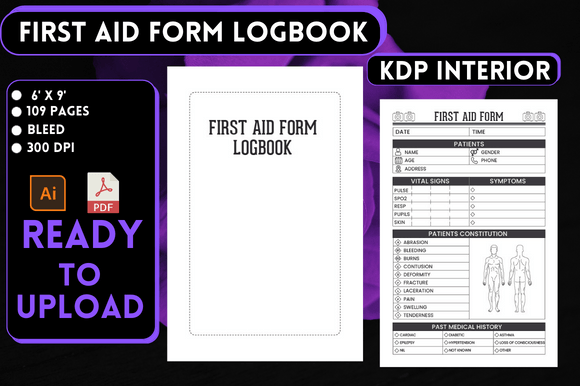
A Nursing Care Plan KDP Interior is a pre-formatted, professionally designed document framework tailored for publishing books on Amazon’s Kindle Direct Publishing (KDP) platform. Its primary function is to provide a structured, consistent, and aesthetically appropriate layout for books focused on nursing care plans, student guides, clinical reference materials, or educational notebooks. The "interior" refers to the entire inside pages of the book – every page from the title page to the final appendix. This tool fits into the broader publishing process as a critical pre-production asset, sitting between the completion of your content and the technical upload to KDP.
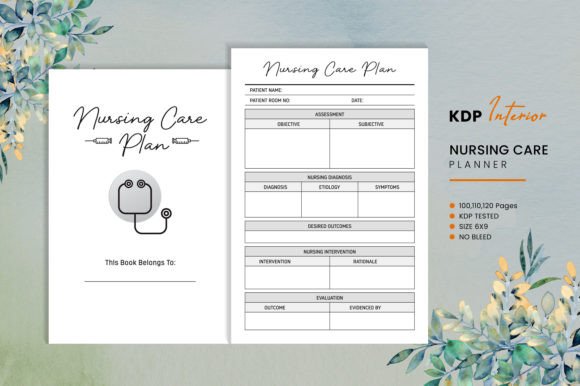
Its design acknowledges the specific needs of this niche. Layouts are clean and functional, with space for headings, numbered steps, assessment criteria, interventions, and evaluation sections that are fundamental to nursing care plan documentation. By handling the design and pagination, it removes a significant technical hurdle for authors who are experts in nursing but perhaps less so in graphic design or publishing software.
Integration into the Publishing Workflow
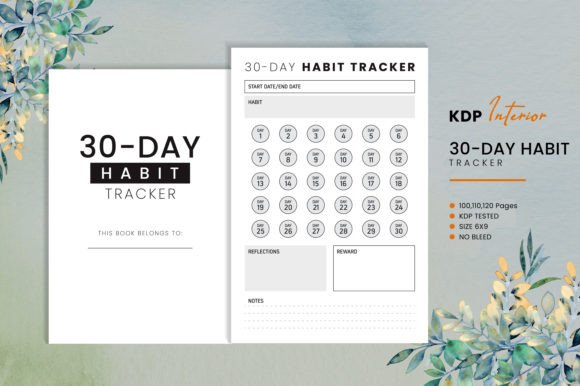
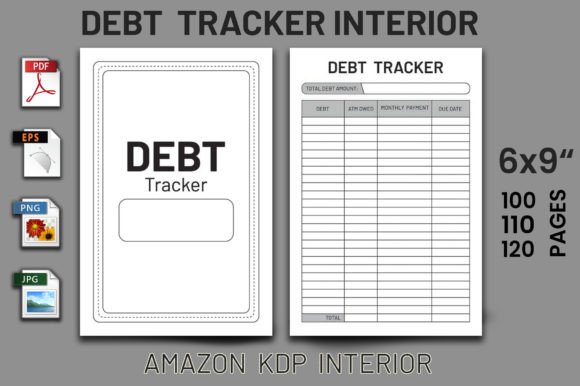
The effective use of this interior begins not at the point of upload, but during the planning stage of your book project. Its specifications – such as the trim size (6 x 9 inches), lack of bleed for interior pages, and page count options (100, 110, 120) – inform your initial decisions. Knowing the final format helps you write and organize your content to fit naturally into the provided structure, preventing last-minute edits or awkward content placement.
During the content creation phase, the interior acts as a guiding framework. You can draft your care plans, instructional text, or practice sheets directly into the provided source file (EPS) or the PDF, ensuring each element aligns with the predefined sections. This parallel process enhances consistency. Every book you produce using the same interior will maintain a uniform look and feel, building brand recognition and trust with your readers. For a series of nursing study guides, this consistency is a key quality control measure.
Practical Implementation and Compatibility
Integration is straightforward. The workflow typically involves receiving the package containing both a ready-to-upload PDF and a source EPS file. The PDF is the final product, KDP tested and formatted, meaning it complies with Amazon’s technical requirements for margins, fonts, and image resolution. This file is for immediate use if your content is already finalized. The EPS source file offers flexibility; it can be opened in vector graphic editing software for minor customizations, allowing you to perhaps add a specific logo or adjust a header if needed, before exporting your own final PDF.
Compatibility with your other tools is essential. The interior should work in harmony with your word processor (where you likely write the raw content), your graphic editor (for any additional images), and ultimately, the KDP upload portal. The "high-resolution" and "KDP tested" assurances are crucial here. They mean the file won’t cause unexpected rejection or quality issues during KDP’s review process, a common bottleneck for publishers. This reliability smooths the final step of your workflow, turning a potentially stressful technical submission into a simple upload.
Use Cases and Real-World Application
The application of a Nursing Care Plan KDP Interior extends beyond a single type of book. It serves various creators in different stages of their business.
- For the Nursing Educator or Expert Author: You have deep knowledge to share. The interior allows you to focus entirely on compiling accurate care plans, teaching scenarios, or clinical guidelines. The design work is handled, so you can move from manuscript to published product rapidly, leveraging your authority (E-E-A-T) without being slowed by production hurdles.
- For the Low-Content or Mid-Content Business Owner: Your model relies on volume and efficiency. This interior is a reusable asset. You can produce multiple variations—a blank care plan workbook, a filled-in example guide, or a specialized pediatric care plan journal—all with the same professional base. This systematization makes scaling your catalog manageable.
- For the Freelancer or Service Provider: If you offer publishing services to nurses or educators, having a tested, niche-specific interior in your toolkit increases your service quality and decreases your turnaround time. It becomes a standard offering you can confidently deliver to clients.
In each case, the tool interacts with other decisions. Your choice of cover design must complement the interior’s professional tone. Your marketing copy should highlight the book’s organized, practical layout. The interior itself becomes a selling point—a promise of usability for the end-reader, whether they are a nursing student filling in plans or a practitioner looking for a quick reference.
Optimizing for Long-Term Usability and Efficiency
To fully integrate this interior into a sustainable workflow, consider it part of your digital asset library. Organize your projects so that the source files are easily accessible for future books. The true value is in its reuse. Having a proven, compliant format saves you from retesting and reformating for every new title.
Preparation is key. Before even purchasing, ensure the interior’s specifications match your project goals. The 6x9 inch trim size is a popular paperback standard, but confirm it suits your vision. The page count options allow you to choose based on content depth; a comprehensive manual might use 120 pages, while a concise workbook might use 100. This initial alignment prevents friction later.
Usability for the end-user—the nurse or student—is inherently designed into the template. Clean lines, clear section differentiation, and ample writing space make the printed book functional. This consideration for the final reader experience is built into the interior’s design, a factor you don’t have to solve manually.
A Streamlined Path from Concept to Market
Ultimately, a Nursing Care Plan KDP Interior is a bridge. It connects your expertise or business idea to the physical (or digital) product available on Amazon. It streamlines the most technically demanding part of the KDP process. By removing the variables of page layout, margin calculation, and file compliance, it allows you to allocate your energy to the tasks that matter more: creating valuable content, building your audience, and managing your publishing business.
The outcome is not just a single published book. The outcome is an optimized process. It’s the ability to respond quickly to market opportunities in the nursing education niche. It’s the capacity to produce a professional-quality product that reinforces your credibility. It’s the saved time that can be reinvested into further creation or strategic growth. For the productivity-minded creator, that is the most practical benefit of all.