Lined Journal Notebook Vol 1: A Complete Guide for Writers and Creatives
For anyone embarking on a writing project or seeking a structured space for daily reflection, a lined journal notebook is a fundamental tool. The Lined Journal Notebook Vol 1, a downloadable KDP interior template, presents a specific option designed for self-publishing authors and creators. This article provides a balanced evaluation of this product, its features, and its intended use to help you determine if it aligns with your project requirements.
What is Lined Journal Notebook Vol 1?
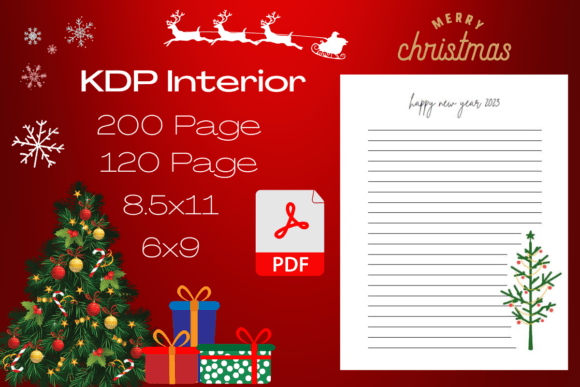
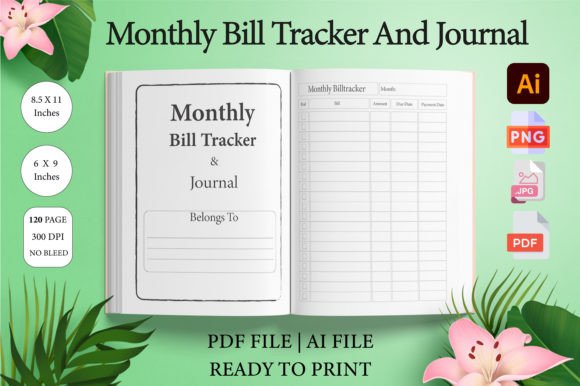
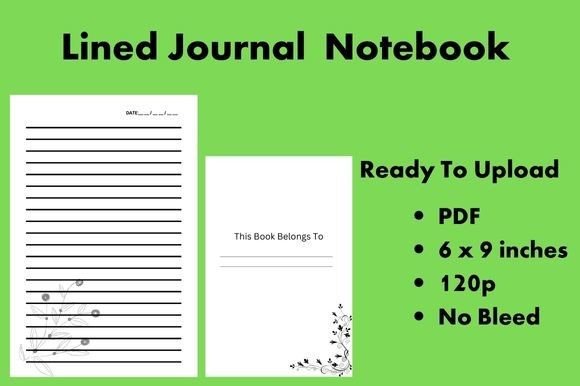
Lined Journal Notebook Vol 1 is not a physical notebook, but a digital interior template. It is a ready-to-use PDF file designed for the Amazon Kindle Direct Publishing (KDP) platform. The template provides the pre-formatted pages for a lined journal, allowing users to upload it directly to KDP, add a custom cover, and publish a paperback notebook for sale or personal use. The key specifications are a 6 x 9 inch trim size, 120 total pages, and a design that utilizes standard margins without bleed (meaning artwork or color does not extend to the edge of the page). The product is marketed as a high-resolution, upload-ready file.
Potential Reasons for Interest and Key Benefits
Interest in a product like Lined Journal Notebook Vol 1 typically stems from a desire for efficiency and a specific aesthetic. Individuals exploring this template are often self-publishing authors, small businesses looking to create branded journals, or hobbyists wanting to produce a custom notebook without dealing with complex design software.
Primary Advantages
The core benefit is its readiness. The promise of a "ready to upload" PDF file eliminates the significant time and technical skill required to create a properly formatted KDP interior from scratch. For someone unfamiliar with page layout software or KDP's precise margin and dimension requirements, this can be a substantial hurdle removed. The 120-page count offers a substantial, yet manageable, length for a standard journal. The 6 x 9 inch size is one of the most popular and reader-friendly paperback formats on Amazon, ensuring compatibility and a professional look.
The "no bleed" specification simplifies the process further. Bleed requires extending design elements beyond the trim line to account for cutting variances, which adds complexity. A no-bleed interior is simpler to produce and is perfectly suitable for a basic lined journal where the focus is on the functional lines on the page, not full-color artwork.
Tradeoffs, Considerations, and Expectations
While the template offers convenience, it inherently involves tradeoffs. The primary consideration is customization. Lined Journal Notebook Vol 1 appears to be a fixed design. Users likely cannot alter the line spacing, margin widths, font of the lines, or add page elements like headers, page numbers, or decorative borders without additional graphic design work. The product serves a specific, generic purpose: a plain lined journal interior.
Expectations should be set around its utility. It is a tool for publishing a physical notebook, not a digital journal app. The end product is a paperback book. Furthermore, the quality claim of "high-resolution" is crucial; a low-resolution PDF would result in blurry or poorly printed lines, degrading the final product's professionalism. Prospective users should ideally be able to preview a sample page to verify line clarity and layout before commitment.
Situations Where This Template is a Strong Fit
Lined Journal Notebook Vol 1 is an excellent fit for several clear scenarios. If your goal is to quickly publish a simple, no-frills lined journal on Amazon KDP for commercial sale or a personal project, this template streamlines the process. It is ideal for first-time KDP publishers who want to understand the platform by starting with a straightforward interior type.
It also fits projects where consistency and volume are needed. For an author or creator who plans to publish a series of journals (the "Vol 1" suggests this), using a standardized, reliable template ensures every volume has identical page formatting, which is important for brand consistency. Finally, it suits anyone who values time over deep customization. If the priority is getting a functional journal to market rapidly, and a basic lined page meets the functional need, this is a pragmatic choice.
When Alternatives Might Be Worth Considering
Despite its benefits, there are situations where alternatives may be more appropriate. If your journal concept requires unique layouts—such as alternating lined and blank pages, integrated checklists, specific margin sizes for sketching, or decorative thematic elements—a generic template will not suffice. In these cases, using page layout software like Adobe InDesign or even leveraging KDP's own free templates with more editable options might be necessary.
For projects targeting a different physical format, such a smaller pocket journal (5 x 8 inches) or a larger ledger, the fixed 6 x 9 size of Lined Journal Notebook Vol 1 would be a limitation. Additionally, if you are creating a journal for purely digital distribution (an ebook or printable PDF for customers to print themselves), a KDP interior template designed for paperback printing is not the correct starting point.
Cost is another consideration. While the template itself might save time, it may come at a purchase price. Free, basic lined templates are available from various sources, including KDP's community forums. Evaluating whether the convenience and claimed quality of this specific Vol 1 product justifies its cost over a free, equally simple alternative is a practical step.
Practical Decision-Making Insights
To determine if Lined Journal Notebook Vol 1 aligns with your goals, start by defining the core requirements of your journal project. Ask yourself: Is a 6x9-inch, 120-page, no-bleed paperback the exact format I want? Are simple, uniform lined pages sufficient for my audience's needs or my creative vision?
Next, assess your own resources. Do you have the design skills and time to create a compliant KDP interior from a blank document? If not, does this template fill that gap reliably? Seek out user reviews or samples of the actual PDF to judge the line quality and ensure there are no hidden issues like incorrect margins or page numbering.
Finally, consider the scope of your project. If this is a single, one-off journal, the investment in a template might be evaluated differently than if it's the start of a series where a standardized foundation provides long-term value. Comparing the total cost of this template plus a cover design against other full-service design options can also provide a complete picture of your publishing budget.
Conclusion: Aligning Product with Purpose
Lined Journal Notebook Vol 1 serves a distinct niche in the self-publishing ecosystem. It is a focused solution for producing a standard formatted lined journal. Its benefits of speed, simplicity, and platform compatibility are significant for the right user. However, its tradeoffs in flexibility and design control mean it is not a universal solution. By carefully matching your project's specifications, your technical capabilities, and your creative expectations against the template's stated features, you can make an objective decision on whether this downloadable interior is the right tool to bring your lined journal from concept to a tangible, published book.