Annual Bill Tracker Templates: Your Complete Guide to Printable Financial Control
Financial management is a cornerstone of a stable and productive life. Yet, amidst the demands of modern work, family, and personal goals, tracking expenses can feel overwhelming. Bills arrive monthly, quarterly, and annually, often from different providers, creating a fragmented view of your financial commitments. This is where the power of a dedicated tracker comes in. Specifically, Annual Bill Tracker templates, available as printable PDFs and editable Canva designs, have emerged as a vital tool for individuals and families seeking clarity and control. This article explores these templates from the ground up, explaining their purpose, significance, and practical application in daily life, ultimately helping you build a more organized financial future.
Understanding the Annual Bill Tracker Template
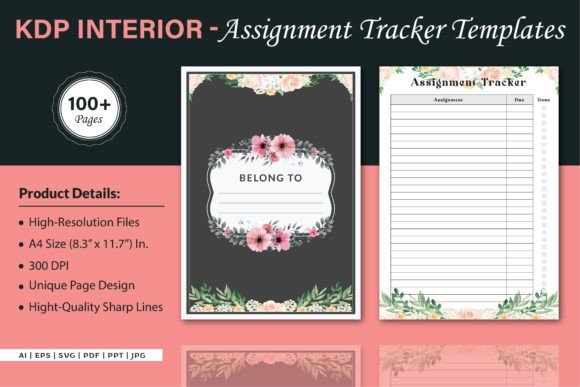
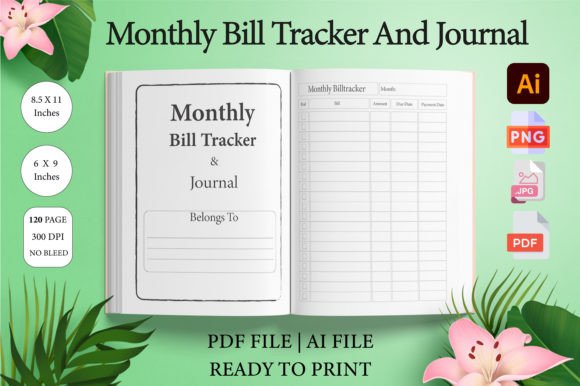
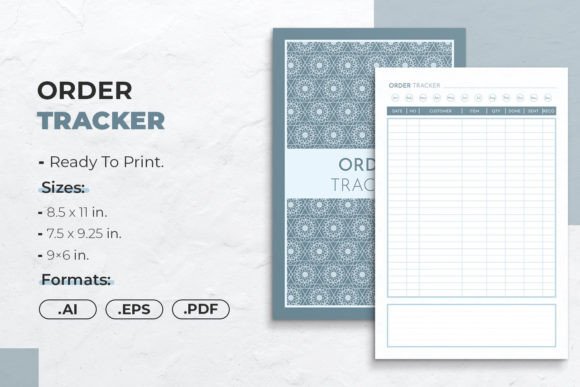
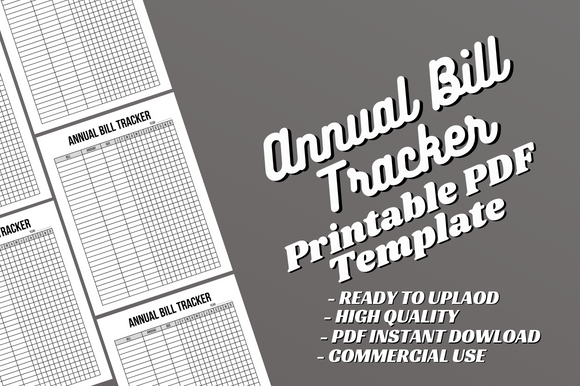
At its core, an Annual Bill Tracker template is a pre-designed document that provides a structured framework for recording, monitoring, and planning your bill payments over a full year. It moves beyond simple monthly checklists by offering a holistic, year-long perspective. Think of it as a financial calendar and ledger combined. The typical template, such as the popular "Annual Bill Tracker KDP interior Template," includes dedicated sections for Monthly Bill Tracking, Quarterly Bill Tracking, and Annual Bill Tracking. This layered approach ensures you capture every recurring expense, whether it's your weekly grocery budget, your quarterly insurance premium, or your annual subscription services.
The beauty of modern templates lies in their dual format. You receive a printable complete PDF file ready for immediate use, allowing you to start tracking by hand if you prefer a tactile, off-screen method. More importantly, you also get an editable Canva source file. Canva is a user-friendly online design platform, and this editable interior grants you full customization control. You can change text fonts, colors, and layouts, add your own logos or categories, and tailor the tracker perfectly to your unique bill profile. This flexibility is crucial because no two households have identical financial obligations.
The Significance and Purpose: Why You Need a Dedicated Tracker
Many people assume that checking bank statements or using a generic budgeting app provides sufficient oversight. However, these methods often fail to offer proactive planning and visual clarity. A dedicated Annual Bill Tracker serves several key purposes that address common financial pitfalls.
Centralizing Financial Information
Your bills are scattered across emails, paper mail, and various service portals. A tracker acts as a central repository. By logging each bill's due date, amount, payment status, and provider in one place, you eliminate the mental clutter and risk of missing a payment buried in an inbox. This centralization is the first step toward true financial control.
Preventing Late Fees and Service Disruptions
The practical relevance is immediate and monetary. Late payments incur fees and can harm your credit score. An annual tracker, viewed monthly, gives you a forward-looking schedule. You can see at the start of each month what is due, enabling you to plan cash flow and avoid last-minute surprises. This is especially valuable for quarterly and annual bills, which are easy to forget because they occur less frequently.
Facilitating Budgeting and Financial Forecasting
When all your bills are mapped out for the year, you gain the ability to forecast your annual expenses accurately. This is transformative for budgeting. You can calculate your fixed necessary costs, identify areas where you might reduce spending (like comparing annual subscription costs), and set more realistic savings goals. It turns reactive bill-paying into proactive financial strategy.
How It Fits into Modern Life and Daily Activities
In today's fast-paced, digitally-driven world, tools that simplify complexity are essential. The Annual Bill Tracker template fits seamlessly into modern life by bridging digital convenience with analog clarity.
- For the Busy Professional: It integrates into a productivity system. You can reference the printable PDF during your weekly financial review or update the editable Canva file digitally on your device. It saves time otherwise spent searching for billing information.
- For Household Management: It becomes a family financial document. Placed in a home office or discussed during family budget meetings, it provides transparency for all members about household expenses, fostering shared financial responsibility.
- For Small Business Owners: Many small business expenses are recurring—software subscriptions, utilities, lease payments. Using a tracker tailored for business (easily done with the Canva editable file) ensures these operational costs are managed punctually, protecting business continuity.
- For Personal Development: Financial organization reduces stress and frees up mental energy for other creative and personal pursuits. Knowing your bills are systematically handled contributes to overall well-being and a sense of mastery over your life.
Exploring the Specifications and What You Receive
When you acquire a professional template like the one described, understanding the specifications ensures you get a tool that is both functional and compliant with platforms like Amazon KDP (Kindle Direct Publishing) if you wish to publish it.
The standard specification for such an interior template includes:
- Dimensions: 8.5 x 11 Inches (US Letter size), the most common and print-friendly format.
- Complete PDF File: Typically 120 pages ready to upload. This page count provides ample space for a full year's tracking, often including summary pages, notes sections, and multiple tracking layouts.
- Editable Canva Source File: This is the key to customization. You access the design on Canva's free platform and can edit every element.
- High-Quality Print Ready: The file is designed with clean graphics and crisp text, ensuring if you print it personally or through a service, it looks professional.
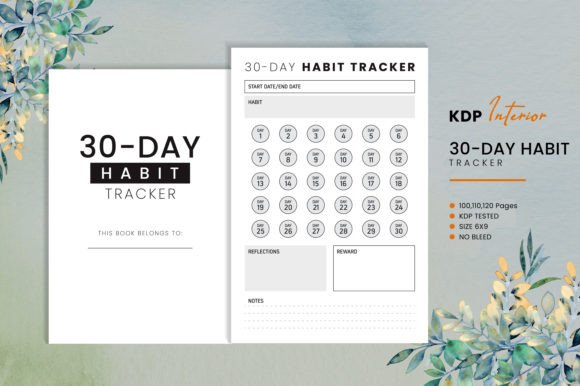
- No Bleed: This is a technical term meaning the design does not extend to the edge of the page, which is required for Amazon KDP interior files. It ensures safe printing without trimming off important content.
A crucial note is that such products are interior ONLY. This means you must create your own cover design before uploading a complete book to KDP. However, for personal use, the interior file alone is perfectly sufficient.
The Power of Customization with the Canva Editor
A common misunderstanding is that printable templates are rigid. The inclusion of an editable Canva file completely颠覆s this. Canva's interface is intuitive, designed for non-designers. You can:
- Change all text fonts to match your personal or brand style.
- Adjust colors for different categories (e.g., utilities in blue, entertainment in green).
- Add or remove rows and sections to track specific bills unique to you.
- Insert icons or images for visual cues.
- Translate the text into another language if needed.
This "fully editable customizable" nature makes the template "so easily available for everyone," as the description states. It democratizes financial tool creation, allowing you to build a tracker that feels personally crafted, not generically imposed.
Practical Application: How to Use Your Annual Bill Tracker
To move from concept to practice, let's walk through a natural example of implementing this tool.
Step 1: Setup and Customization. Access your Canva file. First, review the default categories. You might see "Mortgage/Rent," "Electricity," "Internet," "Car Insurance." Now, customize. Add a line for "Streaming Services" and break it down into Netflix, Hulu, etc. Change the "Quarterly" section to include your specific quarterly taxes if you're a freelancer. This 15-minute setup tailors the tool to your life.
Step 2: Initial Population. Using your past bank statements or bills, fill in the tracker for the upcoming year. For each bill, enter the due date (e.g., 1st of every month), the expected amount (you can even note if it's variable), and the payment method. This becomes your master reference.
Step 3: Monthly Routine. At the beginning of each month, open the tracker's monthly section. Highlight or check off bills as you pay them. Use the notes column to record confirmation numbers or any changes. The quarterly and annual sections serve as reminders; a glance at them in the preceding month alerts you to upcoming larger payments.
Step 4: Annual Review. At year's end, the tracker provides a complete record of your bill payment history. This data is invaluable. You can analyze spending patterns, verify that subscription increases were noted, and use the information to set up your tracker for the next year even more accurately.
Clarifying Common Misunderstandings
Several assumptions might prevent someone from adopting such a tool. Let's clarify them.
- "It's just for people with lots of bills." Even a simple bill profile benefits from organization. Missing one bill can be costly. The tracker scales to your needs; you can use only the sections you require.
- "Digital apps are better." Apps are excellent, but a printable/editable template offers permanence, no dependency on a specific software company, and a visual format that many find more engaging for planning. It complements apps, not necessarily replaces them.
- "It's too complicated to set up." The pre-designed nature means 90% of the work is done. The Canva edits are simple click-and-type operations. The initial time investment is minimal compared to the hours saved and money protected over a year.
- "It's only for personal use." As mentioned, with customization, it easily adapts to small business, rental property management, or even project-based expense tracking for creative endeavors.
Building a Broader Understanding of Financial Organization
Implementing an Annual Bill Tracker is more than a tactical move; it's a step into a broader philosophy of financial organization. It represents taking an active, rather than passive, role in your economic life. This tool fosters mindfulness about spending, highlights the rhythm of your financial obligations, and reduces the anxiety associated with money management.
In the context of modern technology, it leverages the best of both worlds: the digital ease of customization and distribution (via the instant download and Canva platform) and the analog reliability of a printed document. It aligns perfectly with the growing trend of "digital printables"—resources that are acquired online but used in a tangible way to improve offline life.
Ultimately, whether you are a beginner seeking your first financial management tool or an experienced budgeter looking to streamline your process, an Annual Bill Tracker template provides a structured, adaptable, and powerful foundation. By centralizing information, enabling proactive planning, and allowing for personal customization, it transforms the mundane task of bill-paying into an organized system that supports your larger financial health and peace of mind. The KDP-tested, print-ready, and fully editable nature of these templates means you are acquiring a professional-grade tool, ready to be molded into the perfect companion for your financial journey throughout the year.