The Flight Log Book Font: A Modern Handwritten Typeface for Creative Projects
When you first look at Flight Log Book, you notice its deliberate character. It’s not a hastily scribbled note; it’s a confident, purposeful script. The letters carry a distinct sense of motion, with subtle variations in stroke weight and a clean, almost architectural baseline that keeps everything grounded. This gives it a personality that’s both personal and professional—a modern handwritten font that feels authentic without being messy.
Its appeal lies in this balance. The style is approachable and human, yet it maintains a structured clarity that’s essential for readability. You can sense the hand of a designer in its curves, but it’s polished enough to stand as a serious creative font. This makes Flight Log Book incredibly versatile, capable of adding a touch of personality to a corporate blog or providing the foundational style for a boutique brand’s entire identity.
Where Flight Log Book Excels in Design and Branding
This premium font finds its strength in projects that benefit from a human touch. In logo design, Flight Log Book can form the core of a brand mark for cafes, studios, or creative agencies where warmth and originality are key. It avoids the clichés of overly casual script fonts, offering instead a signature-like quality that feels bespoke.
For editorial design and publishing, such as magazine headlines or book titles, it introduces an engaging, conversational tone. In packaging design, its handwritten aesthetic can communicate craft, quality, or personal care, ideal for artisan products, cosmetics, or specialty foods. The font also translates seamlessly to digital spaces. In web design, it can be used sparingly for key headings or calls to action, while in social media graphics, it creates immediate visual interest and helps posts feel less generic and more crafted.
Beyond commercial use, it’s a fantastic resource for personal projects. Bloggers can use it to differentiate their site’s visual voice, crafters can incorporate it into DIY labels and invitations, and hobbyists can leverage it for anything that needs a polished yet personal typographic touch.
Building Visual Hierarchy and Professional Consistency
Introducing a font like Flight Log Book into a project isn’t just about picking a nice-looking typeface. It’s a strategic decision that influences how your audience perceives and interacts with your content. Its inherent style establishes a visual hierarchy naturally; a headline set in Flight Log Book immediately draws the eye and sets a tone, allowing supporting text in a simpler sans serif font to provide the necessary detail.
This contributes directly to brand perception. Using a consistent, distinctive font across all touchpoints—from your website to your product labels to your Instagram stories—builds a cohesive brand identity. Flight Log Book, with its unique but not overly niche character, can become a recognizable part of that identity, fostering trust and audience engagement through consistent, professional presentation.
The font’s readability, thanks to its clear letterforms and controlled variation, means it can be used beyond just decorative headlines. At larger sizes or for shorter blocks of text, it remains legible, which expands its utility. This practical aspect ensures the font contributes to the design without sacrificing the core function of communication.
Practical Considerations for Using Flight Log Book
Before committing to any typeface for a project, a few practical steps can ensure it’s the right fit. First, evaluate the project’s mood and audience. Flight Log Book brings a modern, creative, and slightly personal energy. It might not suit a project requiring extreme formal authority or minimalist austerity, but it’s perfect for ventures that want to feel innovative, authentic, or crafted.
Testing font pairings is crucial. Flight Log Book, as a display font with personality, often works best when paired with a neutral, highly readable supporting typeface. A clean, geometric sans serif or a simple serif font for body text can create a beautiful contrast, letting the handwritten style shine without overwhelming the layout. Experiment with these combinations in actual mock-ups of your design.
Review all included styles and weights. Understanding the full range of the typeface helps you plan its application. Knowing whether it includes alternate characters or only a single weight will affect how you use it across different media, from print to digital. For readability considerations, always test the font in its intended context. How does it look on a mobile screen? Does it hold up when printed on a matte packaging surface? These real-world tests are invaluable.
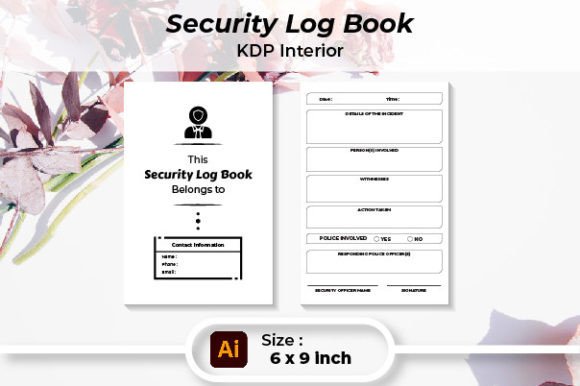
Finally, confirm the commercial licensing. The product information states it's ready for upload to Amazon KDP, which typically implies a commercial license that covers use in products for sale. Always verify the specific license terms to ensure it aligns with your project’s scope, whether you’re designing a single logo or producing a series of published books.
From Digital Mock-ups to Printed Pages
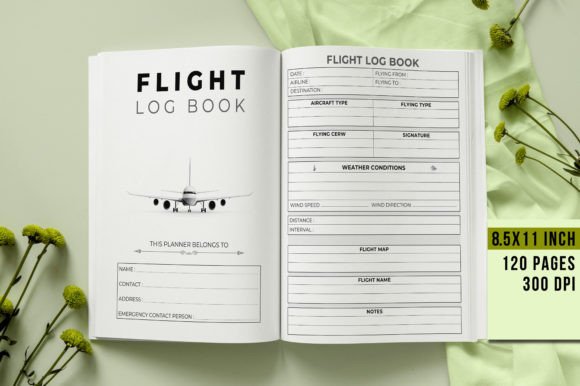
In practical application, Flight Log Book offers a streamlined workflow. As a single PDF file containing the font at 300 dpi, it’s optimized for quality output. The specification of no bleed and a size of 8.5 x 11 inches suggests its foundational format is ideal for standard document creation, whether for digital publishing or print-ready artwork. With 120 pages of ready content, it provides a substantial asset base to work from.
Imagine using it for the cover title of a self-published travel journal, where the font’s name and style conceptually align with the content. Or consider it as the branded font for a stationery line, where every notecard and envelope carries that consistent handwritten signature. In these scenarios, the font moves from being a simple design asset to an integral part of the product’s story and aesthetic.
Choosing a font is one of the most impactful decisions in any creative process. Flight Log Book presents a compelling option for those looking to inject a modern, humanized quality into their work without venturing into overly whimsical or difficult-to-read territory. Its strength is its balanced modern typography—a handwritten font that remembers its primary job is to communicate clearly and beautifully, across any medium you choose.