The Architects Word Search Puzzle: A Simple Tool for Creative Minds
If you've ever browsed through Amazon's Kindle Direct Publishing platform, you know it's a bustling marketplace of ideas. Among the coloring books, journals, and planners, you might stumble on something a bit more niche: a word search puzzle book dedicated to architecture. At first glance, an Architects Word Search Puzzle for KDP might seem like just a game. But for a wide range of creators and professionals, it's a surprisingly versatile resource, packaged as a ready-to-upload interior file that takes the technical hassle out of publishing.
What Exactly Is This Puzzle Book?
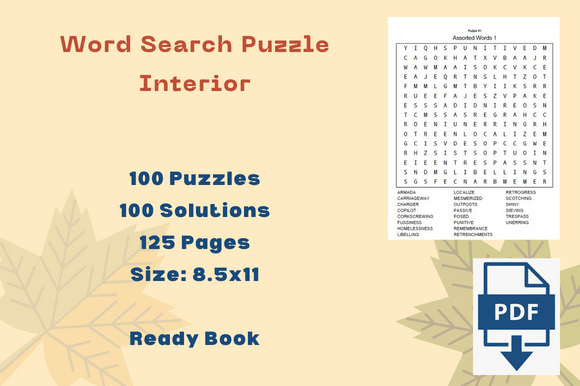
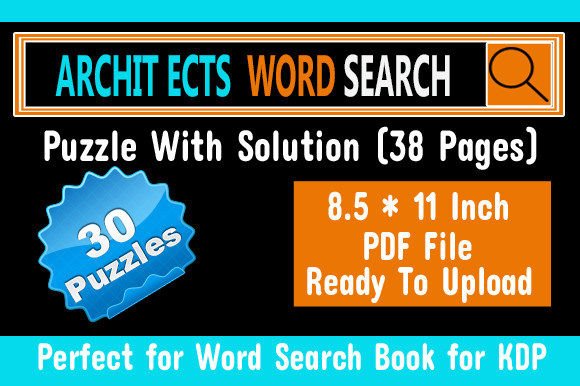
Think of it not as a physical book you hold, but as a digital template. It's a complete, formatted PDF containing 30 distinct puzzles, each themed around architectural terms. Every puzzle page has ten words to find, presented in a large, clear print. The package includes all the solutions, neatly arranged. The key detail is that it's "KDP Interior Ready." This means the file is already designed to meet Amazon's specifications for a paperback book: 8.5 x 11 inches, with proper page numbers, no bleed areas, and a total of 38 pages. You receive this as a ZIP file. For someone looking to publish, this translates to: no layout headaches, no formatting guesswork, just a product ready to be uploaded and sold.
Who Actually Uses This, and Why?
The audience is broader than you might think. It's not just for architects relaxing after work.
For the Side-Hustle Publisher
Imagine a blogger or freelance writer who has a site about home design or DIY projects. They want to monetize their audience further but don't have the time or skill to design a book from scratch. This Architects Word Search Puzzle interior is a turnkey solution. They can purchase the file, upload it to KDP under their own title and author name, and have a low-content book for sale in a matter of hours. It’s a tangible product that complements their online content, offering a physical, relaxing activity to their readers. The "very easy for all kids and adults" description means it has wide appeal, making it a potential small, steady stream of passive income.
For Educators and Workshop Leaders
A high school teacher introducing basic architectural concepts, or a community center organizer running a summer camp for kids, needs engaging activities. Printing a few pages from this puzzle book can be a fantastic hands-on worksheet. It’s more interactive than a lecture. Words like "facade," "blueprint," or "column" become familiar through play. The large print and simple structure mean it’s accessible for all ages, avoiding frustration. The educator isn't buying a book to sell; they're buying a ready-made activity bank they can use repeatedly in their real-world teaching scenarios.
For the Creative Hobbyist and Gift-Giver
Consider someone with a friend or family member who is an architecture student or a practicing architect. A custom-published book with a personalized cover, using this interior, becomes a unique and thoughtful gift. It’s more personal than a generic store-bought item. Similarly, puzzle enthusiasts who enjoy theme-based games might simply buy the published book for their own pleasure. The clean, single-puzzle-per-page layout and included solutions make it a stress-free leisure activity, perfect for a quiet evening or a long commute.
For Small Business Owners in Related Fields
A small local architectural firm or a drafting supply store might look for low-cost items to enhance their brand or client relationships. Having a few copies of a professionally printed word search book with their logo on the cover, available in their waiting area or as a small giveaway, adds a touch of engagement and thoughtfulness. It subtly reinforces their field of expertise in a fun way.
Connecting Features to Real Outcomes
The listed features aren't just a technical checklist; they directly solve practical problems.
The "30 puzzles" and "10 words per puzzle" promise variety without overwhelming complexity. This balance ensures a buyer can market it as a book with substantial content (30 activities!) that is still approachable, increasing its perceived value. The "1 puzzle per page" and "Large Print" design choices aren't arbitrary. They translate to a user experience free of clutter, easy on the eyes, and perfect for actually solving the puzzle without squinting or feeling crowded. This directly impacts satisfaction, whether for a child using it or an adult reviewer considering a purchase on Amazon.
The "Solutions included" and "4 solutions per page" might seem minor, but they address a common frustration. It means the publisher doesn't have to create or layout an answer key. For the end-user of the book, it provides a clear reference if they get stuck, preventing the annoyance of an unsolvable puzzle. This small detail improves the product's usability immensely.
Most critically, the "Ready KDP Interior" and "No bleed" specifications are where the real value lies for entrepreneurs. They eliminate the barrier of design knowledge. Someone with zero experience in graphic software can still launch a product. This feature connects directly to the outcome of "having a book published" without the intermediate struggle of learning page layout, worrying about trim margins, or facing KDP upload errors.
What to Consider Before Using This Resource
While it's a straightforward tool, a few realistic considerations can help you apply it effectively.
First, think about your target audience and cover design. The interior is provided, but the cover is your responsibility. A book with a generic or poorly designed cover will struggle next to professional-looking competitors on Amazon. Your cover needs to communicate the theme ("Architects Word Search") and the appeal ("Large Print," "Easy for All") visually.
Second, consider how you'll market it. If you're a publisher, simply uploading it may not generate sales. You might need to leverage your existing blog, social media about design, or networks in education. The product fits into a niche; understanding that niche's communities will help you sell it.
Third, assess the competition. Search KDP for similar puzzle books. Does yours offer something better—perhaps the clarity of layout, the specific architectural theme, or the promise of ease? Your title and description should highlight these practical advantages, like "Ready-to-Print Activity Sheets" or "Perfect for Architecture Students," rather than just listing features.
Finally, remember its primary function: it's a tool for creation, not the creation itself. Its value is in saving you time and technical effort. Your effort then shifts to the smarter tasks: branding, marketing, and connecting this simple puzzle book to the right people in the right situations.
Whether you're an educator looking for a classroom activity, a freelancer building a portfolio of published products, or a hobbyist seeking a themed puzzle, this Architects Word Search Puzzle for KDP interior provides a polished, practical starting point. It turns the complex process of book formatting into a simple download, letting you focus on where and why this content will actually be used in the real world.