Harnessing a Printable Weekly Meal Planner for Real-World Calm
In the whirlwind of modern life, the simple act of feeding ourselves and our families often becomes a source of daily stress. The question “What’s for dinner?” can trigger a cascade of last-minute decisions, unplanned grocery trips, and wasted food. This is where the tangible utility of a Printable Weekly Meal Planner shines. It’s not merely a sheet of paper; it’s a visual command center for your kitchen, transforming chaotic guesswork into a smooth, executable strategy.
Concrete Scenarios Where a Planner Becomes a Lifeline
Imagine a household with two working parents and young children. The weekday scramble isn’t just about cooking; it’s about aligning meals with soccer practice, homework sessions, and precious family time. A Printable Weekly Meal Planner posted on the fridge becomes a shared reference point. It allows one parent to prep Tuesday’s ingredients in the morning because they know Wednesday will be a late night. It turns “I don’t know, what do you want?” into “Let’s check the plan.” This visible commitment reduces decision fatigue for everyone, creating a predictable rhythm in an unpredictable week.
Another powerful scenario is managing specific health or budgetary goals. An individual following a doctor’s dietary recommendations or someone tracking monthly food expenses uses the planner differently. Here, it functions as an accountability log. By writing down “Wednesday: Lentil Soup / Thursday: Grilled Chicken & Veggies,” the plan pre-commits to those choices, making it harder to default to less ideal options. The act of printing and physically filling it out often feels more binding than a fleeting digital note, solidifying intent.
The Versatility of a Simple Template
While the core idea is universal, the application adapts beautifully to different lifestyles. A busy professional living alone might use a Printable Weekly Meal Planner to combat the “takeout trap.” Planning five simple dinners means buying only those ingredients, saving money and time. Conversely, a creative home cook might use the same template to organize a more ambitious project, like testing new recipes from a cookbook, scheduling which days to try each one.
Even industries outside the home find value. A small café owner might use a scaled-up version of the principle to forecast weekly ingredient needs, reducing waste. A personal trainer could provide clients with a planner template to structure their nutrition alongside workout schedules. The underlying strength is in its adaptability—a structured canvas waiting for your unique content.
Key Considerations Before You Begin
Embracing a paper-based system requires a slight shift in mindset. First, consider your real routine. If you know Thursday nights are always hectic, planning a complex, 45-minute meal for that slot is a recipe for failure. A good plan respects your actual life, not an idealized version. Start simple; perhaps plan only dinners for the first week, then add lunches or snacks as the habit solidifies.
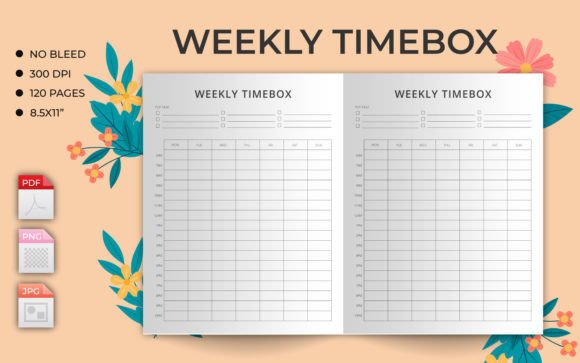
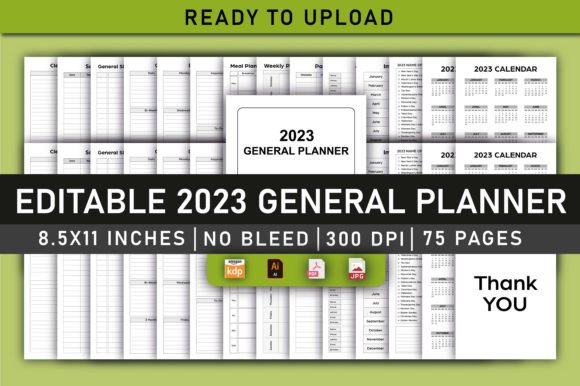
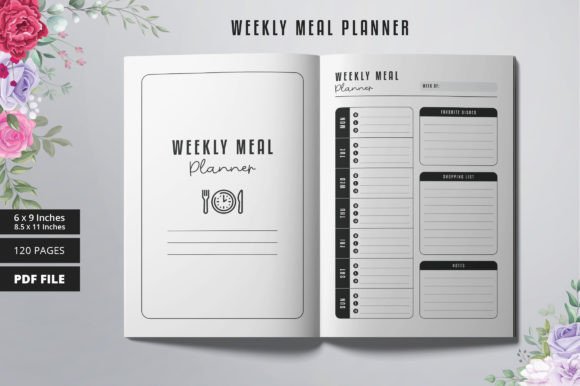
The physical quality of the planner matters for longevity. The included high-resolution files, provided in convenient 6×9 and 8.5×11 sizes, ensure crisp, clear printing whether you use a home printer or a professional service. A PDF file ready for print means no frustrating formatting glitches. With 120 total pages, you have a supply for many months, encouraging long-term use rather than a one-week experiment. The 300 DPI, CMYK specifications guarantee vibrant, professional-looking colors if your design includes them, and knowing it’s KDP tested provides confidence in its commercial print readiness.
Beyond the Grocery List: Integrating the Whole Process
A truly effective Printable Weekly Meal Planner workflow links three steps: planning, shopping, and prepping. The planner is the first domino. Once your week is mapped, your shopping list derives directly from it, eliminating impulse buys. This is where the no bleed design is practically useful—it means the pages are clean and the edges of your boxes and text won’t be cut off if you bind them or print at a standard size, keeping all your notes fully visible.
Then, the plan informs prep. Seeing “Chop onions for Tuesday & Wednesday” on Monday evening can make weekday cooking faster. Some users even note prep tasks directly on their planner. This integration turns isolated chores into a coordinated operation, saving mental energy across the entire week.
Addressing Potential Limitations with Smart Use
A paper planner is static; life is dynamic. A common worry is rigidity—“If I plan it, I’m locked in, and then Thursday I get invited out!” But the strength of a printable tool is its flexibility. You can pencil in plans, allowing for changes. Or, you can view the plan as a default, not a decree. If you go out Thursday, that’s fine; the ingredients for that planned meal can often be used Friday. The plan reduces ad-hoc decisions, not serendipitous opportunities.
Another consideration is the initial time investment. Sitting down to plan a week’s meals might take 20 minutes. This feels like a cost, but it’s an investment that pays dividends daily in saved decision time, reduced grocery stress, and fewer wasted ingredients. For those who truly dislike the planning act, starting with a template that includes inspirational recipe suggestions or pre-filled themes (like “Mediterranean Week”) can lower that barrier.
Ultimately, the Printable Weekly Meal Planner serves as a bridge between intention and action. It externalizes the mental load of meal management onto a reliable, physical medium. For the young professional budgeting tightly, the parent seeking household harmony, or the individual pursuing a health goal, it provides the same core benefit: clarity. By giving form to the week’s nourishment, it creates space for more important things—conversation at the table, relaxation after work, and the simple enjoyment of a meal prepared with purpose, not panic.